In this article, we explain how real-world asset (RWA) tokenization works in practice. The process can differ depending on the asset type, legal structure, jurisdiction, and service provider. Below is the standard workflow InvestaX uses when working with issuers, along with key considerations and common questions.
Key Takeaways:
- Real-world asset tokenization is the process of creating a digital representation of an asset on a distributed ledger, typically a blockchain.
- Common asset tokenization models (or legal structures) include tokenized SPVs, tokenized funds, tokenized debt instruments and direct asset tokenization.
- The process may vary by asset type, jurisdiction, and legal structure, but typically includes asset evaluation, structuring, custody setup, token issuance, investor onboarding, and ongoing servicing.
- A clear legal framework is essential because many RWA tokens are treated as regulated financial instruments and must operate within existing capital-markets rules.
- A licensed tokenization platform helps issuers manage onboarding, compliance, primary distribution, and registry updates in a controlled environment aligned with regulatory expectations.
Real World Asset Tokenization Basics
Real world asset tokenization is the process of issuing digital tokens that represent specific rights in real world assets, such as real estate, renewable energy, intellectual property assets, private equity, and investment funds.
Initially, tokenization was used primarily for fundraising purposes, allowing startups to raise funds through Security Token Offerings (STOs). However, as the technology continues to evolve, tokenization is increasingly being used for other purposes beyond fundraising, such as tokenizing real world assets to improve their accessibility, market efficiency, and liquidity.
RWA tokens fall under the digital asset category and are often classified as securities. Therefore, a robust legal compliance framework is necessary to ensure that RWA token offerings, trading, and custody solutions, meet regulatory requirements. Throughout the RWA token life cycle, tokens and associated intermediaries, such as tokenization advisers, platforms, trading platforms, and custodians, are subject to securities regulations to protect investors and ensure market integrity.
The Asset Tokenization Process
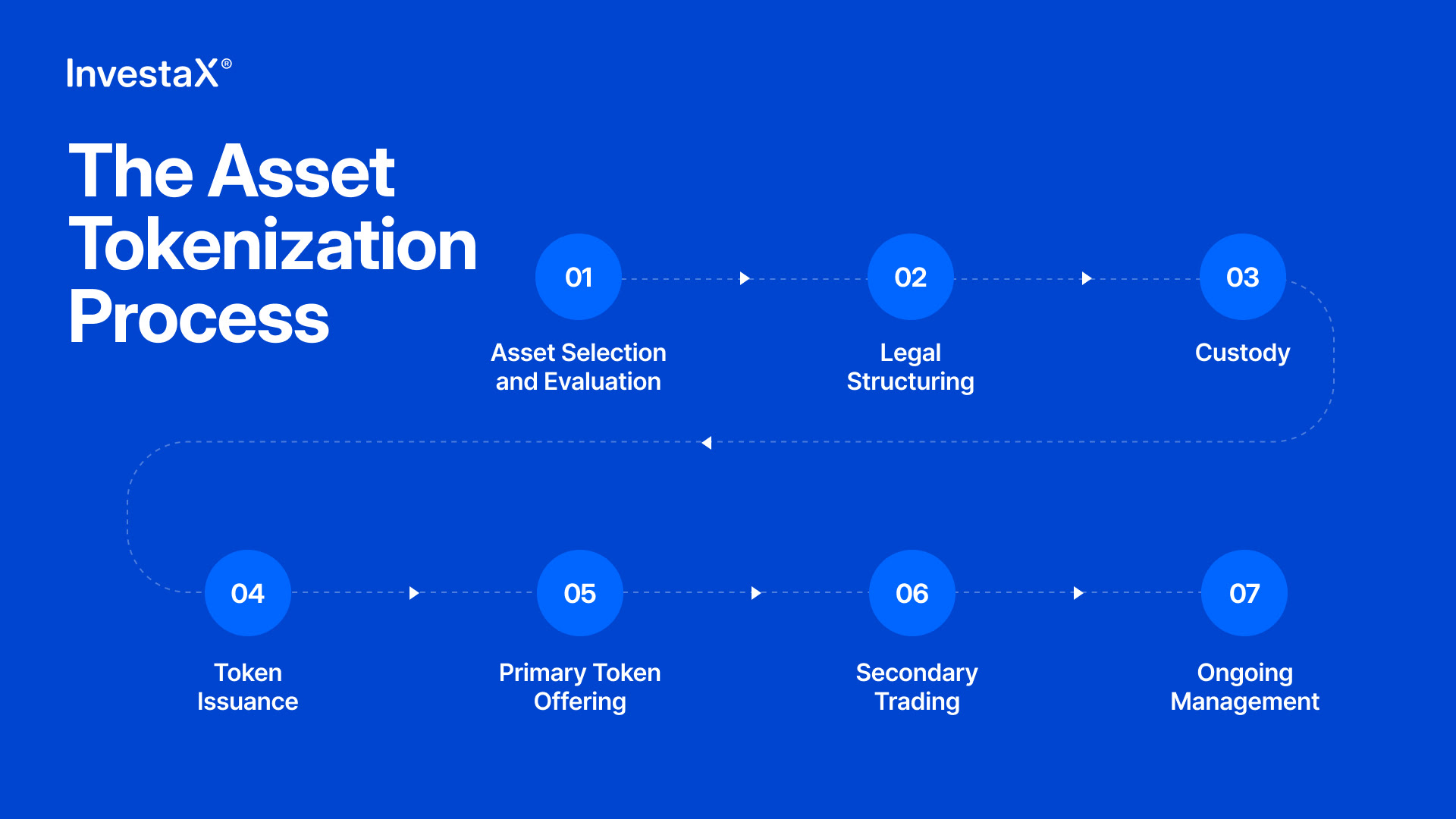
1. Asset selection and evaluation
The asset tokenization journey begins with identifying an asset with strong tokenization potential, such as real estate, fine arts, commodities, and precious metals. Ensure that the asset is eligible for tokenization and complies with relevant regulations.
The value of the asset is then carefully assessed and documented, following standard financial practices.
2. Legal structuring
At this step, a legal framework is established to ensure that digital tokens represent valid claims to the underlying real world assets. This involves defining the specific rights associated with the tokens and choosing an appropriate tokenization structure.
What types of rights can be tokenized?
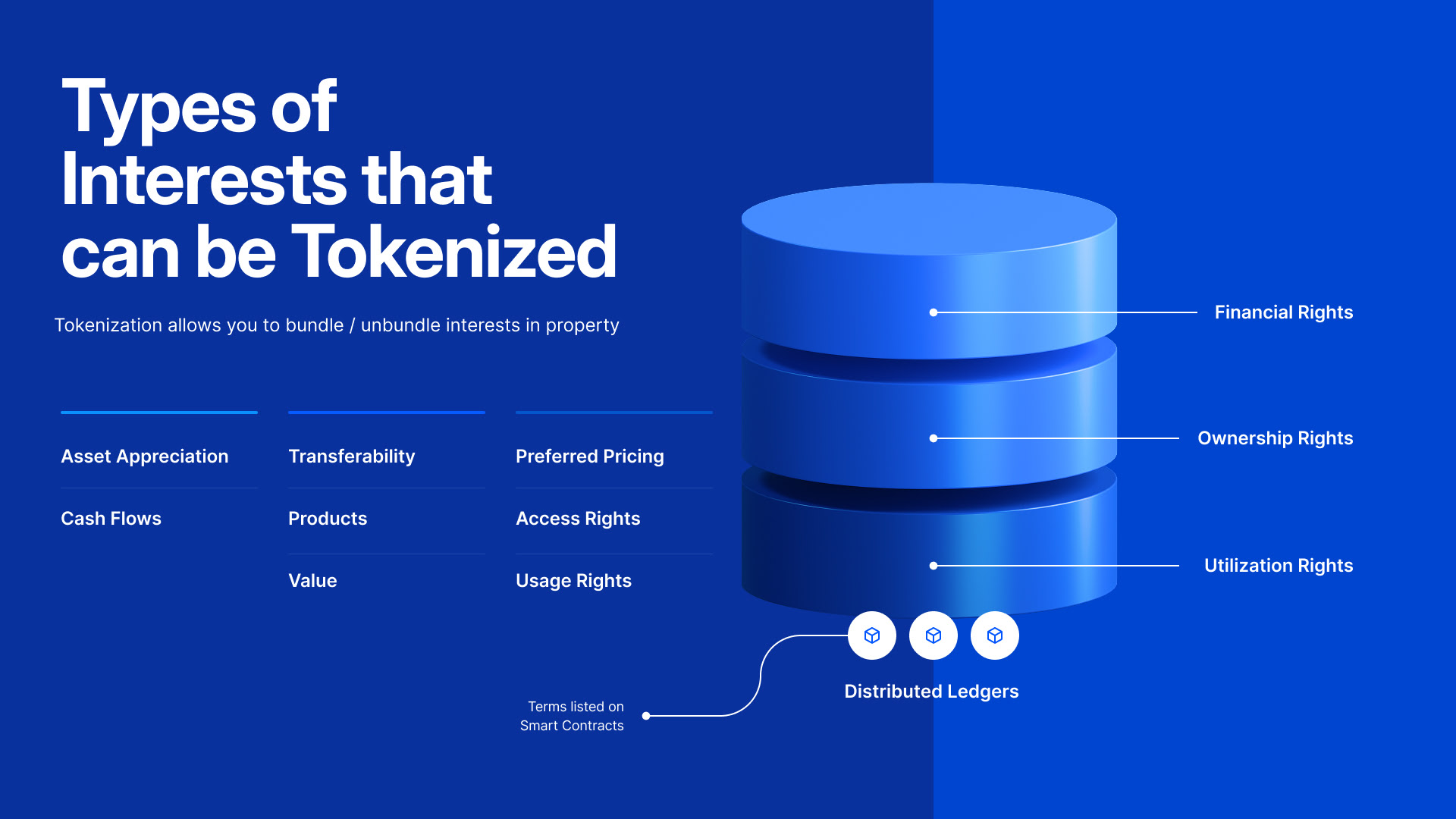
Two common tokenization structures for real world assets
The two common tokenization structures include Tokenized Special Purpose Vehicle (“SPV”) and Direct Asset Tokenization:
- Tokenized SPV: Tokenized SPV approach also known as indirect tokenization is a common approach where the asset is held by an entity, either a private limited company or a trust. This entity is then tokenized, and tokens are issued through a pooling of funds from multiple investors, giving investors indirect interests in the underlying RWA. This is often a better approach as it fits within the securities regulations.
- Direct Asset Tokenization: The asset itself is directly tokenized and the tokens represent a direct claim on the underlying asset This approach is typically less common due to regulatory challenges and issues such as non-fungibility, lack of regulatory clarity, and limited use cases.
Each tokenization structure often comes with different licensing requirements. Check out the Licensing Requirement Analysis for Asset Tokenization by InvestaX’s legal team for more details.
3. Custody of the RWA and Custody of RWA Tokens
Before digitalization, the underlying asset (RWA) will be custodized to ensure the asset is immobilized and safe kept before its digital representation is created on the blockchain. Most times if it's a tangible movable RWA like whiskey barrels the RWA is securely stored and managed by qualified custodians, trustees, or licensed managers.
On the other hand, the digital representation i.e. RWA tokens can be either held in i) Self Custodized or ii) 3rd Party licensed custodian.
- Self-custody
Self-custody wallets are wallets used to store digital assets providing users full control over their private keys and, consequently, their assets. It is the practice of individuals taking full control and responsibility for storing and managing their own digital assets without relying on third-party intermediaries.
With self-custody, users hold their own private keys, which are essential for accessing and transacting with their digital assets. Self-custody wallets, which can be software-based (like mobile or desktop applications) or hardware-based (physical devices), allow users to interact directly with blockchain networks, giving them complete ownership and control over their assets.
While self-custody offers enhanced security and privacy, it also requires users to be vigilant about safeguarding their private keys and recovery phrases, as there is no central authority to recover lost or stolen assets.
- Custodizing RWA Tokens with a Licensed 3rd Party Custodian
Licensed Custodians are regulated and authorized to provide custody services. These custodians are typically subject to stringent regulatory requirements and oversight, ensuring they adhere to high standards of security, operational integrity, and compliance. By leveraging the services of a licensed digital asset custodian, organizations can mitigate the risks associated with holding and managing digital assets, ensuring they are stored securely and in compliance with relevant regulations.
Some of the security measures adopted are decentralized security protocols and multi-party computation (MPC) to eliminate single points of failure, thereby enhancing the protection against both external and internal threats. Additionally, custodians often implement multi-signature wallets, hardware security modules (HSMs), and key sharding to further safeguard private keys. These technologies are complemented by rigorous compliance with regulatory standards, such as Know Your Customer (KYC) and anti-money laundering (AML) rules, ensuring that custodians meet stringent reporting, auditing, and fraud detection requirements
At InvestaX, we work with licensed custodians to provide you with a trustworthy and credible custody infrastructure.
There are many different types of assets in the world and how the custodian is handled and regulated is widely different. The issuers should evaluate the custodian's services, such as asset management, trade processing, and asset servicing, to ensure they meet the needs of the RWA.
4. Token Issuance
At this phase, the representation of the ownership of the asset is converted into digital tokens (which we often call “RWA tokens”) on a chosen blockchain and launched on either the RWA issuer’s website or via a licensed real world asset tokenization platform like InvestaX.
5. Primary Token Offering
A primary offering is the initial sale of new RWA tokens, such as equity or debt, by a company to an investor class. This process allows a company to raise capital directly from investors, which can be used for various purposes such as expanding operations, paying off debt, or funding new projects.
Wondering how to create a primary RWA token offering? Watch our 90-second platform demo video on how you can seamlessly and efficiently create an RWA token offering.
Furthermore, through InvestaX’s Singapore-regulated marketplace, issuers can launch their RWA token offering to a global investor base and unlock global capital opportunities.
6. Secondary Trading
Following the initial offering, RWA tokens may be traded on secondary markets through various channels, such as:
- Peer-to-peer trades on Licensed RWA broker-dealers platforms such as InvestaX
- Licensed RWA exchanges such as InvestaX’s IX Exchange
- Decentralized exchanges (DEX) like IXS's Automated Market Maker (AMM) DEX
Secondary trading of RWA tokens is among the outstanding use cases that tokenization brings to real world assets. It offers more flexibility to token holders, giving them more opportunities to exit an investment and/or potentially benefit from capital appreciation, instead of being locked for 8-10 years in some traditional investment vehicles like real estate funds or private equity.
7. Ongoing Management
Post-tokenization management involves essential services like regulatory compliance, tax management, regular asset valuation, and facilitating corporate actions such as dividend distribution and voting rights. This management continues throughout the token's lifespan until its maturity or redemption.
After RWA tokenization, ongoing compliance is also necessary to ensure continued adherence to regulatory requirements. This includes monitoring changes in securities laws, implementing necessary updates to smart contracts, conducting periodic audits, and managing investor relations.
Tokenize Your Assets With InvestaX
InvestaX is the leading Real World Asset Tokenization SaaS Platform in Asia. InvestaX is licensed by the Monetary Authority of Singapore (MAS) and holds a Capital Markets Services (CMS) Licence and Recognized Market Operator (RMO) License for the issuance and trading of RWAs for global investors.
Looking to tokenize your assets? Contact our team to discuss your tokenization strategy.
What does it cost to tokenize an asset in 2025/2026?
The cost to tokenize an asset may range from approximately $5,000 for a basic setup to hundreds of thousands of USD for a complex, production-ready platform. The cost may vary depending on the asset, jurisdiction, structure, number of service providers involved, and whether new entities or custodial arrangements need to be set up.
Typical cost components include:
- legal and structuring fees
- platform issuance and administration fees
- custody fees for the underlying asset and digital tokens
- auditor, trustee, or administrator costs (if applicable)
- ongoing reporting and servicing expenses
For a detailed breakdown, refer to our guide: Asset Tokenization Costs
How long does the tokenization process take?
The timeline can vary depending on the complexity of the deal and the readiness of the parties involved. On average, once deal terms are finalized and documentation is in place, the offering can be launched within 2 to 8 weeks. This includes onboarding, compliance checks, smart contract deployment, and listing preparation.
What is the role of a tokenization platform in asset tokenization?
A regulated tokenization platform helps issuers manage key steps in the lifecycle, including investor onboarding, compliance checks, transfer controls, registry updates, reporting, and servicing. The platform acts as the operational environment where the legal structure is represented digitally, ensuring that issuance and transfers operate within defined regulatory constraints.
How do issuers set up primary distributions for tokenized assets?
Issuers outline the subscription terms, investor eligibility criteria, and required documentation. Investors then complete KYC, AML, and suitability checks through the onboarding workflow. The primary distribution can be launched on the issuer’s website or through a licensed tokenization platform such as InvestaX, which manages compliance checks, subscription flows, and allocation records. Once subscriptions are approved, allocations are recorded on-chain, creating a synchronized ownership register within the permitted investor base.
Can tokenization be used for fundraising?
Tokenization can be used as part of a fundraising strategy. The initial sale of new RWA tokens by a company to an investor class allows capital access. As with traditional fundraising, outcomes will depend on factors such as market conditions, deal structure, and investor demand.